
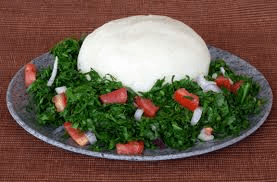
ugali nutrition facts [the superfood hiding in plain sight]
Ugali is more than a simple maize meal; it’s a nutritional powerhouse that millions of Kenyans…
Ugali is more than a simple maize meal; it’s a nutritional powerhouse that millions of Kenyans rely on daily. Often overlooked in global health circles, it has a lot of nutrition facts that include, but are not limited to, digestion, energy and gut health.
However, in today’s fast-evolving world, many questions arise about it: “Is ugali beneficial?” “Should I reduce my intake of it?” As an upcoming professional in the nutrition field, I have a keen interest in Kenyan food culture, and therefore would like to address these challenging questions. Its actual value extends beyond its ability to satisfy hunger: it entails its nutritional value when prepared and consumed wisely.
This article will explore the health benefits of ugali and seek to address the common myths surrounding this superfood.
Beyond the Bulk: The Nutrition facts of Your Ugali
It’s easy to dismiss ugali as ‘just carbs,’ but that is like judging a whole farm by one patch of maize. When we look closer, particularly at traditional or less refined versions, a richer story emerges.
Think of ugali as your body’s long-distance fuel. The carbohydrates in ugali are digested slowly, unlike refined sugars, thereby helping maintain stamina throughout the day as energy is released in small chunks.
The Gut’s Best Friend: Dietary Fibre
This is where the real magic begins, especially with traditional dishes made from whole maize flour (unga ya dona), finger millet (wimbi), or sorghum (mtama) ugali. The fibre found in dona and wimbi helps food components move efficiently through the digestive system, promoting digestion and preventing the uncomfortable feeling of sluggishness. Furthermore, this fibre nourishes the beneficial bacteria in your gut, which are essential for immunity and mood regulation. Have you ever felt lighter and more energised after a meal with traditional ugali? Your gut health is likely thanking you!
Rich In Micronutrients
Kenya’s commercial maize flour is often fortified; therefore, our ugali carries vital micronutrients. These include:
- B complex vitamins (that help convert food into energy),
- Iron (prevents anaemia, a widespread disease in Kenya)
- Folic acid (for reproductive health)
- Zinc (essential for your immune system).
A Safe Haven for Gluten Sensitivities:
Gluten intolerance is increasingly becoming common nowadays; hence, it’s worth noting that ugali made purely from maize, millet, or sorghum is gluten-free. This makes it a fantastic and accessible carbohydrate option for those navigating these dietary challenges without compromising on taste or tradition.
A Low-Fat Foundation: On its own, it is remarkably low in fat. This quality makes it an ideal canvas upon which to build a truly balanced meal, allowing you to control the fat content through your choice of accompanying stews and vegetables.
Beyond the Plate: Ugali’s Influence on Your Holistic Well-being
The food we eat doesn’t just fuel our bodies; it profoundly influences our mood, sleep, and mental clarity. Ugali, when consumed mindfully, contributes to this holistic picture.
- Steady Energy, Steady Mood: Those blood sugar spikes and crashes from refined foods often lead to irritability and fatigue. Ugali, with its sustained energy release, helps maintain stable blood sugar, resulting in more consistent energy levels and a more balanced mood throughout your day.
- A Partner in Sustainable Weight Management: This is often the most surprising benefit for many. Because of its high fibre content (in whole-grain forms), it keeps you feeling satisfied for longer. This natural satiety can prevent overeating and reduce cravings for unhealthy snacks between meals, supporting healthy weight management without the need for restrictive, unsustainable diets. It’s about feeling truly nourished, not just full.
- Your Ally Against Inflammation: Many traditional Kenyan accompaniments to ugali such as sukuma wiki, managu, terere, beans, and various indigenous vegetables are packed with antioxidants and anti-inflammatory compounds. Ugali acts as the perfect vehicle for these health powerhouses, making the overall meal a robust defence against chronic inflammation.
Navigating the Nuances: When Our Beloved superfood Needs a Rethink
Just like any food, context and preparation matter. To truly unlock ugali’s power, we must address some common pitfalls.
- The Portion Predicament: Let’s face it, we love our ugali, and generously! However, even good things in excess can be counterproductive. Large portions, especially for individuals with less active lifestyles, can indeed lead to excess calorie intake. It’s about finding your right balance.
- The Refined Flour Dilemma: This is arguably the most significant contemporary challenge. The trend towards highly refined, super-white maize flour (unga safi sana) strips away much of the precious fibre and many vital nutrients. This refined version behaves more like a simple sugar in the body, leading to quicker blood sugar spikes and less sustained energy. It’s like buying a brand new car but removing the engine – it looks good, but doesn’t perform.
- Debunking the “Ugali Causes Diabetes” Myth: This concern is widespread in Kenya. Let’s be clear: Ugali itself doesn’t cause diabetes. However, a diet consistently high in refined carbohydrates (including white ugali), combined with large portions, infrequent physical activity, and a lack of other nutrient-dense foods, creates an environment where type 2 diabetes risk increases. The solution isn’t to demonise ugali, but to choose wisely and balance your plate.
Unlocking Ugali’s Full Potential: Healthier Ways to Savour Our Staple
So, how can we bring ugali back to its full glory as a cornerstone of a healthy, vibrant life? It’s simpler than you think!
1. Embrace the Brown Revolution: This is your most impactful step. Prioritise whole meal maize flour (unga wa dona), millet (wimbi) flour, or sorghum (mtama) flour for your ugali. These traditional choices retain their natural fibre, vitamins, and minerals.
If switching entirely feels too drastic, start by mixing half white flour with half wholemeal flour. Gradually increase the whole meal proportion. Many local brands now offer fantastic whole-grain options.
2. Master Mindful Portions: Think of ugali as a substantial side, not the entire meal. A portion roughly the size of your clenched fist, or what fits comfortably in the palm of your hand, is a good starting point for a balanced meal, depending on your activity level. Listen to your body’s signals of fullness.
3. The Art of Power-Pairing: This is where ugali truly transforms into a nutritional powerhouse.
- Greens Galore: Make your plate come alive with an abundance of local, nutrient-dense vegetables. Think heaping servings of sukuma wiki, managu, terere, kunde, spinach, or cabbage. These add fibre, vitamins, and antioxidants.
- Lean, Quality Protein: Balance your carbs with adequate protein. Incorporate delicious local sources like kunde (cowpeas), lentils, beans, or groundnuts.
- Healthy Fats (Mindfully): A slice of fresh avocado or a drizzle of healthy oils such as coconut oil and olive oil in your stew will add essential fatty acids and enhance absorption of fat-soluble vitamins.
Climax: A Lasting Legacy of Health, A Future of Well-being
Ugali is more than just a dish; it is a source of comfort and an emblem of our cultural heritage. By making conscious choices about the flour we use (whether whole grain maize flour or millet flour) and what we pair it with, such as leafy greens or lean proteins, we empower our plates and nutrition status.
Let’s truly celebrate this fantastic food, appreciating its rich cultural roots and its extraordinary ability to nourish our bodies and minds. Embrace ugali made with wholemeal flour, pile on those vibrant Kenyan greens, and rediscover the incredible power of healthy eating on your plate!
How do you make your ugali meals more nutritious? Share your unique healthy ugali recipes and mindful eating tips in the comments below! Let’s continue this conversation and inspire a healthier Kenya, one delicious meal at a time.
Is Ugali Healthy?
Whether ugali is healthy or not depends on the amount you consume in a single meal, as well as the amount of processing or refining the flour has undergone.
Does Ugali make me gain weight?
Ugali, on its own, cannot make you gain weight. Weight gain can occur when consumed in large quantities in a single meal, coupled with lack of physical activity over a long period of time. Overconsumption causes rapid blood glucose spikes. The key is to cosume smaller portions and ensure regular physical activity.
How much ugali should i eat?
A portion roughly the size of your clenched fist, or what fits comfortably in the palm of your hand, is a good starting point for a balanced meal, depending on your activity level. Listen to your body’s signals of fullness.